Trustees
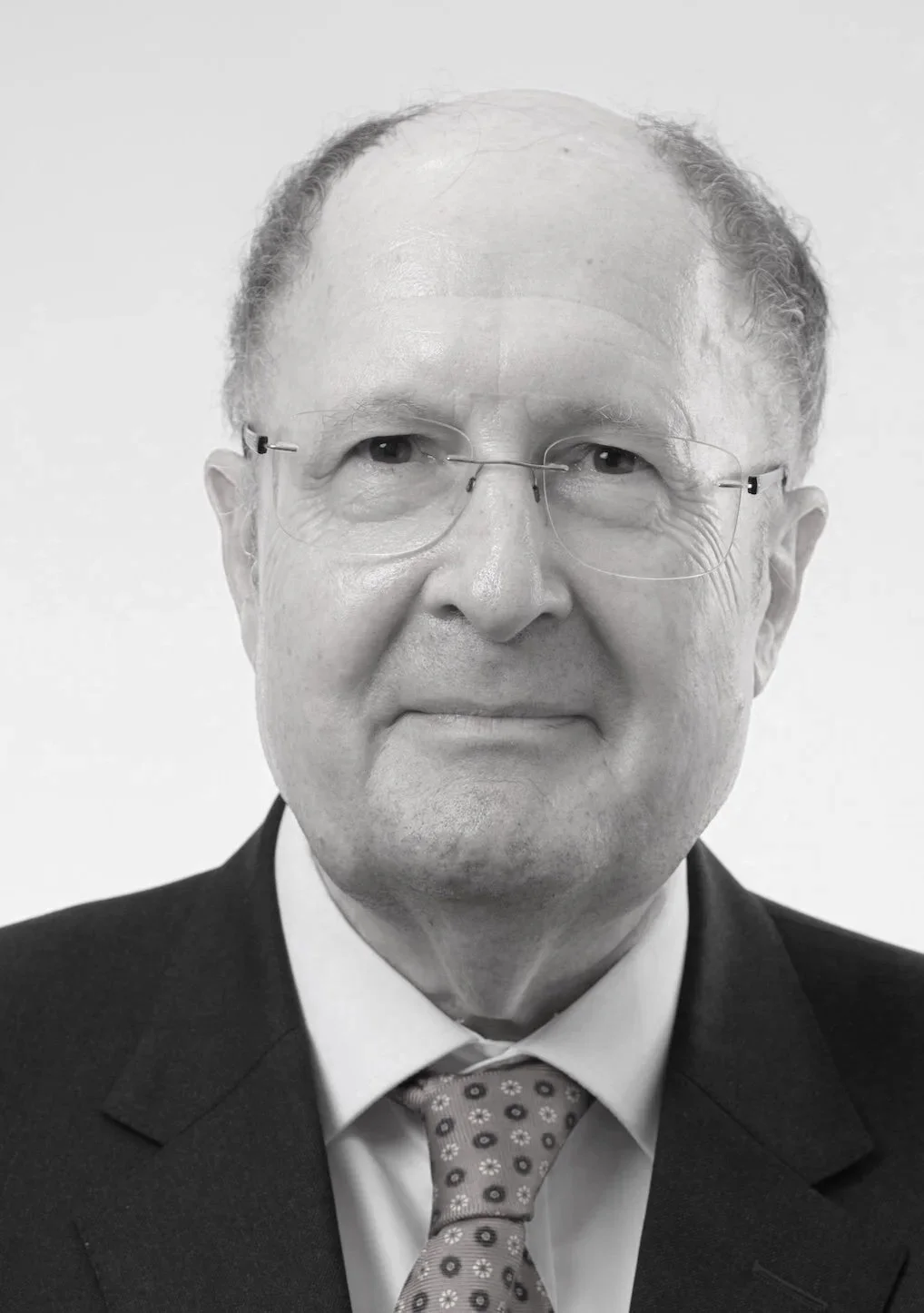
Sir Gregory Paul Winter (1951) is a British scientist whose work turned the body’s natural defenses into life-saving medicines. By pioneering antibody engineering and phage display, he helped create treatments like Humira, Herceptin, and Keytruda, giving hope to millions living with cancer, autoimmune, and chronic diseases. Beyond the Nobel Prize in Chemistry (2018), his legacy is measured in lives improved and extended through science.
Sir Gregory Winter
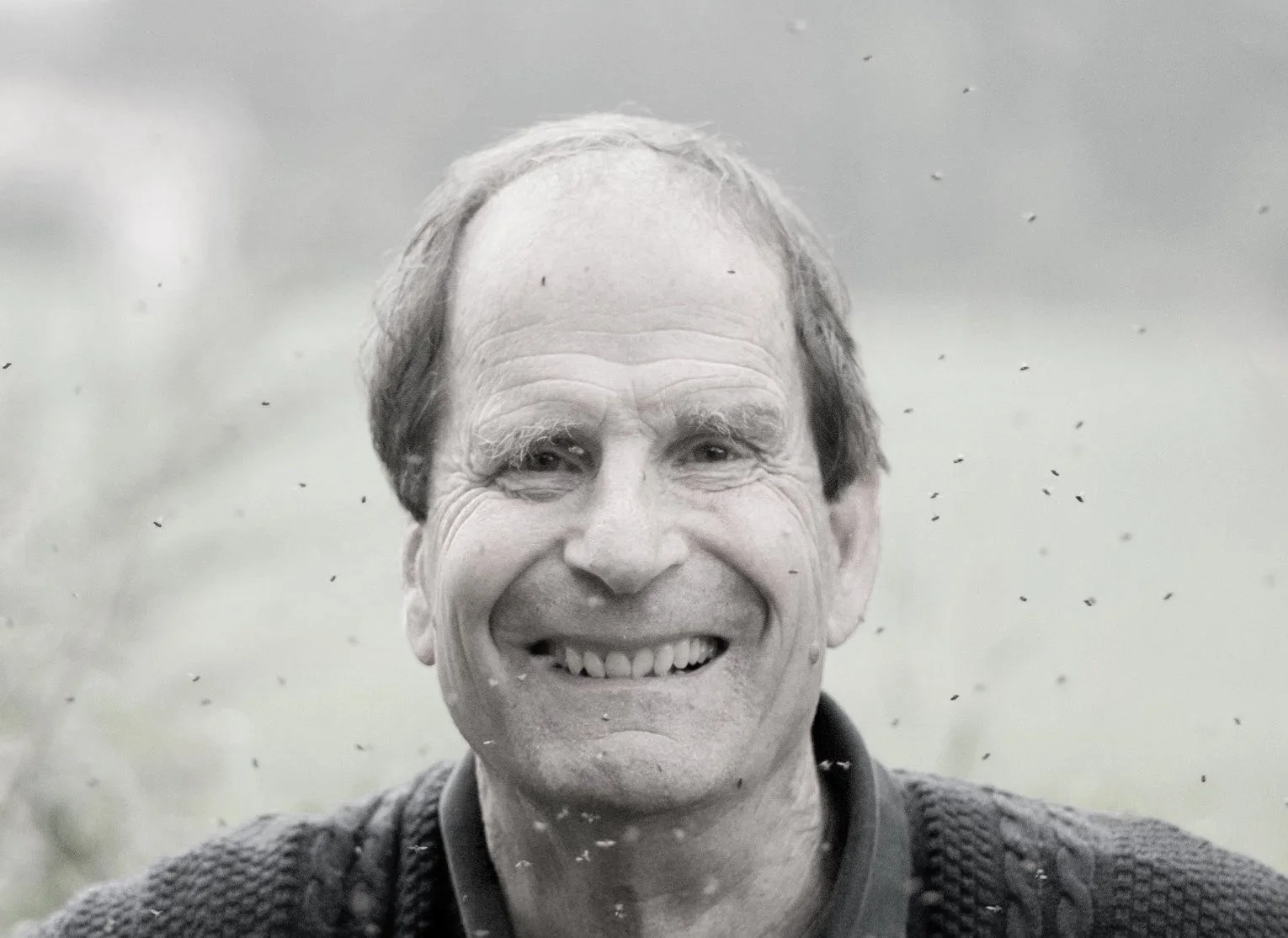
Dr. Peter Lawrence Winter
Dr. Peter Lawrence is a British developmental biologist whose work has revealed the hidden rules guiding life from a single cell to a complex organism. Trained at Cambridge and a longtime researcher at the MRC Laboratory of Molecular Biology, he uncovered how genes and cells orchestrate growth, developing the compartment theory and illuminating how cells interpret positional cues and establish tissue polarity.
A Fellow of the Royal Society and recipient of the Prince of Asturias Prize, Dr. Lawrence is celebrated not only for his discoveries but for his mentorship and vision. His work combines rigorous science with a deep appreciation for the elegance of life, showing how every cell contributes to the remarkable choreography that shapes the living world.
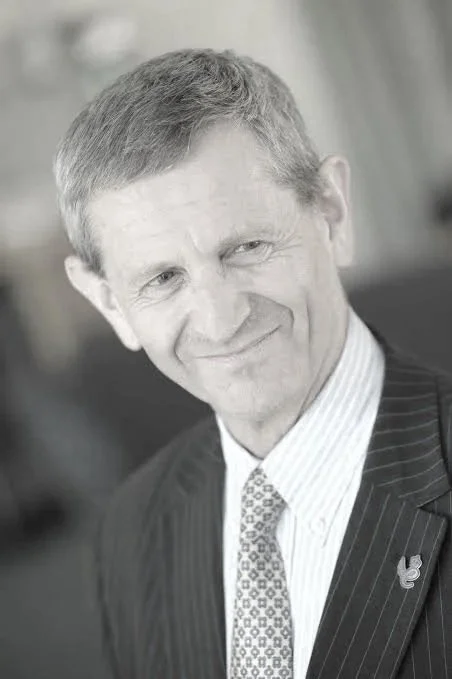
Dr David Secher is a UK leader in translating academic research into real-world impact. Trained as a molecular biologist under Nobel Laureate César Milstein, he helped establish Cambridge Enterprise and co-founded Praxis (now Knowledge Exchange UK), fostering collaboration between universities and industry. He serves on multiple boards and charities, advising institutions worldwide, and has been recognized with the Queen’s Award for Enterprise Promotion and a lifetime achievement award for his work connecting research with societal benefit.
Dr. David Secher
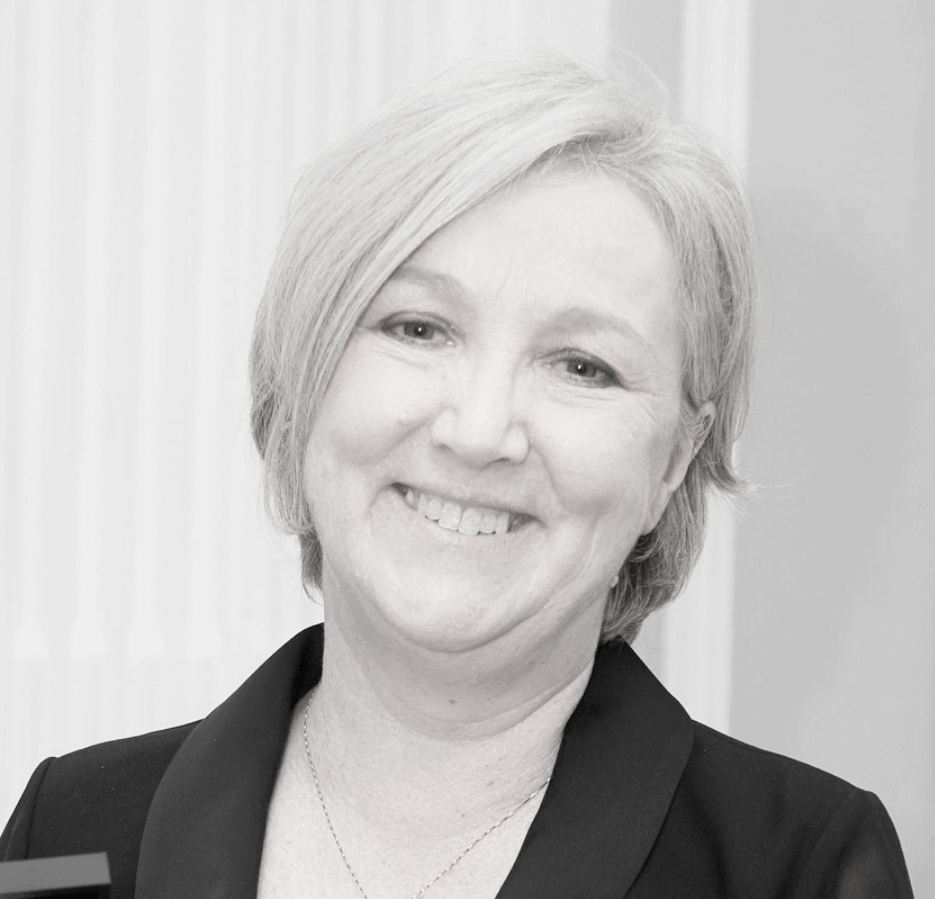
Dr. Gillian Griffiths is a British immunologist and a pioneering woman in science whose work has illuminated how the body’s own cells fight infection and cancer. Trained at Cambridge under Nobel Laureate César Milstein, she has spent decades uncovering the secrets of cytotoxic T cells, revealing the intricate choreography by which the immune system defends us. Fellow of the Royal Society and the Academy of Medical Sciences, she combines rigorous science with a deep curiosity about life, finding joy in birdwatching and cycling through the Scottish countryside. Her research not only advances medicine but celebrates the elegance and resilience within every living cell.
Dr. Gillian Griffiths
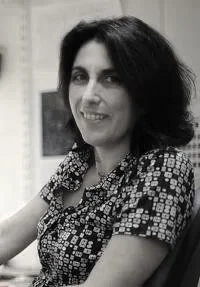
Dr. Cristina Rada
Observer
Dr. Cristina Rada is a British immunologist at the MRC Laboratory of Molecular Biology in Cambridge, UK. She investigates how B cells use the enzyme Activation-Induced Deaminase (AID) to diversify antibodies, enabling the immune system to adapt and fight infections. Her research reveals how this process is carefully controlled to prevent harmful mutations, offering vital insights into immunity, cancer, and molecular regulation. Through her work, Dr. Rada illuminates the elegant precision and power of the body’s defenses.
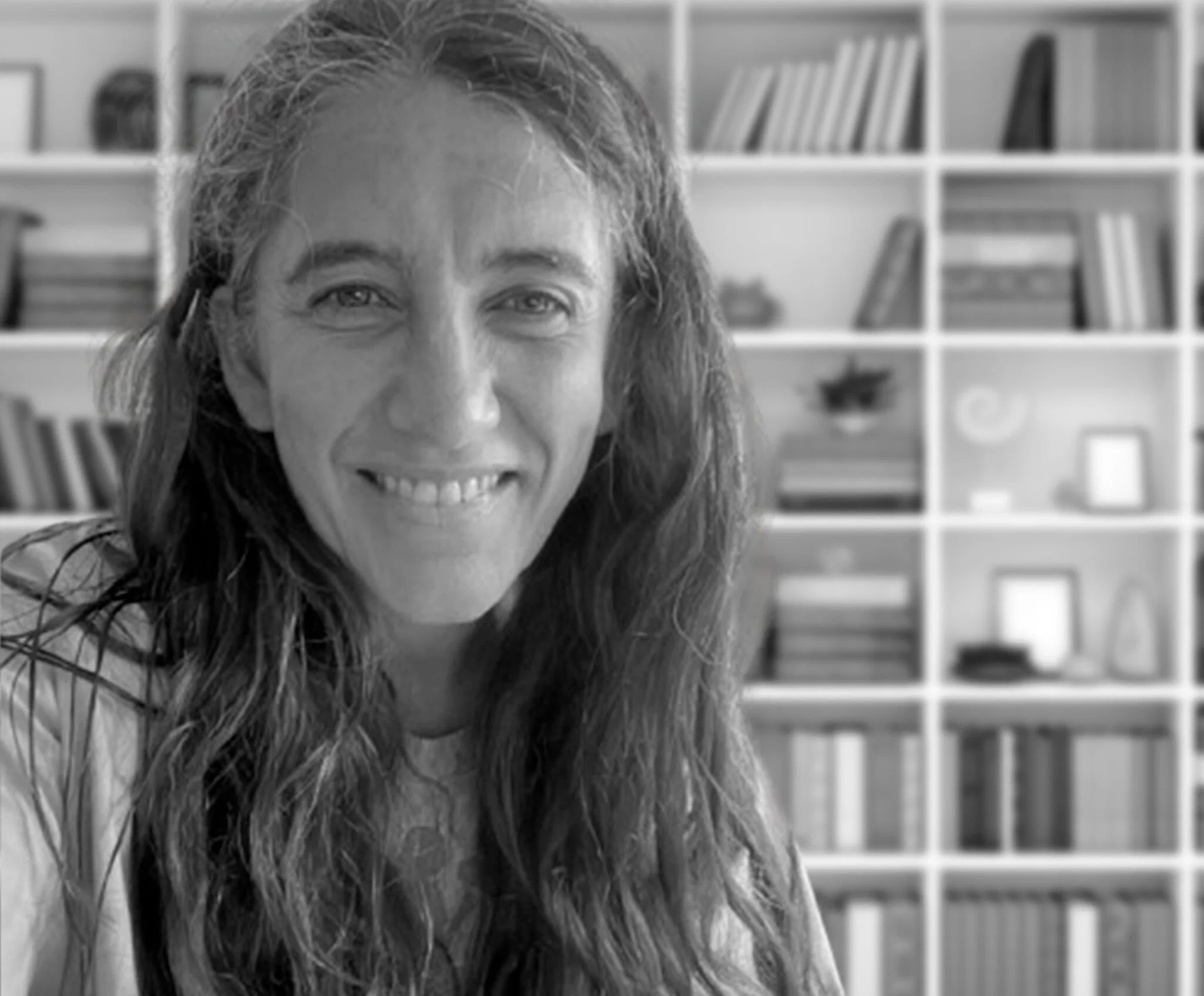
Ana Fraile is an Argentine documentary filmmaker dedicated to stories at the intersection of science, education, and human rights. She is the great-niece of Nobel laureates César and Celia Milstein, a connection that inspires her sensitivity to stories of discovery and human endeavour.
Her documentaries explore social justice, memory, and the human experience. Ana is also pursuing doctoral studies in human sciences, deepening her engagement with the ethical and social dimensions of storytelling.